March 15, 2026 · Development · San Diego, CA
Mission Valley Light Rail Station Mixed-Use Development Approved
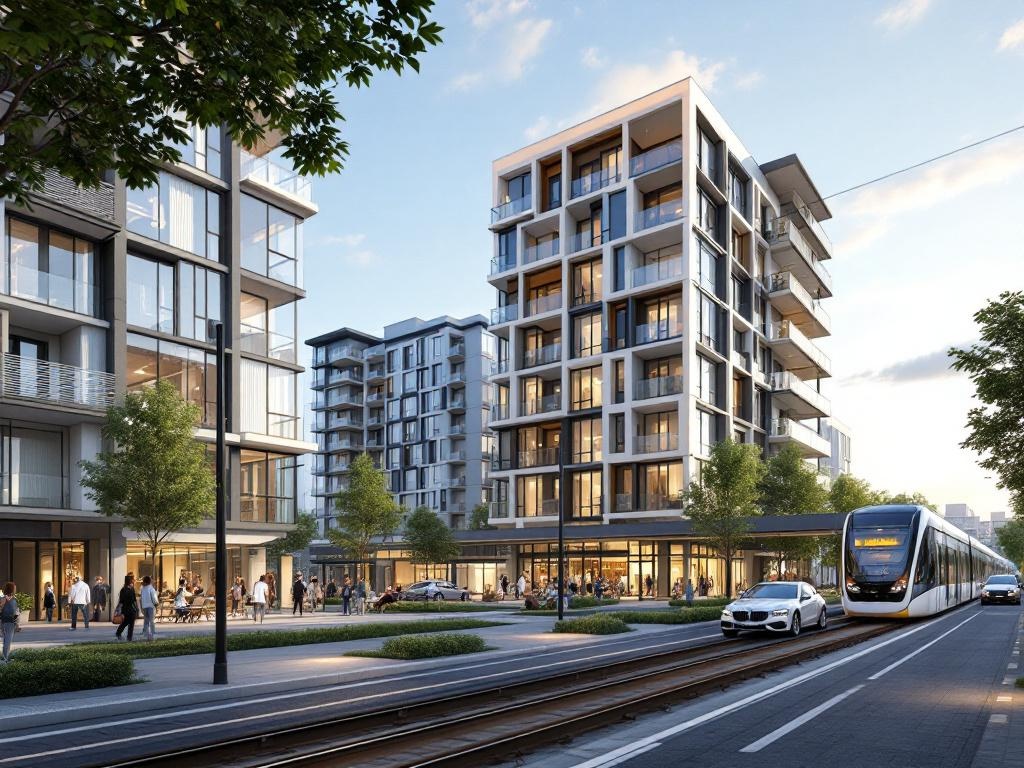
The San Diego Planning Commission has unanimously approved a $1.8 billion mixed-use development centered around the Fenton Parkway Trolley station in Mission Valley, creating what planners are calling the most ambitious transit-oriented development project in the city's history and fundamentally reshaping one of San Diego's most heavily trafficked corridors.
The project, developed by Hines in partnership with Gensler and landscape architecture firm AECOM, will transform 85 acres of underutilized commercial and parking lot space into a dense, walkable urban village with direct light rail access to downtown, SDSU, and the planned Mid-Coast extension to University City.
4,500 Housing Units Across Five Phases
At the heart of the development are 4,500 residential units distributed across 12 buildings ranging from 8 to 22 stories. The housing mix includes 1,800 market-rate apartments, 900 workforce housing units priced for households earning between 80 and 120 percent of area median income, 450 dedicated affordable units at 60 percent AMI, and 1,350 for-sale condominiums.
"Mission Valley has been San Diego's unofficial sprawl capital for 50 years — big-box retail, surface parking, and car-dependent infrastructure," said Hines project director Amanda Sterling. "This project reimagines the valley as the connected urban neighborhood it should have been all along."
The residential component also includes 200 units of senior housing with supportive services and a 120-unit student housing building connected to SDSU via a planned pedestrian bridge over the San Diego River.
Retail, Office, and Community Space
The project includes 380,000 square feet of ground-floor retail space, 250,000 square feet of Class A office space in two towers, a 180-room boutique hotel, and 45,000 square feet of community and cultural space. A central two-acre park will feature an amphitheater, playground, farmers market area, and direct access to the San Diego River Trail.
The retail strategy emphasizes local and regional businesses over national chains. The developer has committed to reserving 30 percent of retail square footage for locally owned businesses at below-market lease rates for the first five years, a provision negotiated by community groups during the public comment period.
Transit Integration and SDSU Connection
The development's most innovative feature is its integration with the existing Green Line Trolley station, which will be rebuilt as part of the project. The new station design includes covered platforms, real-time arrival displays, expanded bike parking, and direct pedestrian connections to the development's main plaza without requiring street crossings.
MTS has committed to increasing Green Line frequency to every 7 minutes during peak hours to accommodate the projected 15,000 daily riders the development will generate. A new bus rapid transit connection to the Qualcomm campus and Kearny Mesa employment center is also planned.
The pedestrian bridge to SDSU — a $45 million structure spanning both the river and Friars Road — will create a car-free connection between the university's expanding campus and the Mission Valley development, potentially reducing vehicle trips by an estimated 8,000 per day.
Environmental and Infrastructure Considerations
The project includes significant environmental mitigation, including restoration of 12 acres of riparian habitat along the San Diego River, construction of a 2.5-mile segment of the San Diego River Trail, and a stormwater management system that captures and filters 100 percent of on-site runoff before it reaches the river.
Infrastructure investments total $280 million, covering road improvements to Friars Road and Fenton Parkway, a new water recycling facility, underground utility relocation, and construction of a new fire station to serve the increased population. These costs will be shared between the developer, the city, and a community facilities district funded by special assessments on the new development.
Timeline and Community Impact
Construction on the first phase — which includes 1,200 housing units, the central park, and the rebuilt trolley station — is expected to begin in early 2027, with initial occupancy targeted for 2029. The full five-phase buildout is projected to take 15 years, with completion around 2041.
When fully built, the development is expected to generate $45 million annually in property and sales tax revenue, support 6,500 permanent jobs, and provide housing for approximately 10,000 residents — effectively creating a new neighborhood in the geographic center of San Diego.
The project now moves to the full City Council for final approval, expected in April. Community groups have indicated they will not oppose the project, citing the affordable housing commitments and local business provisions as key concessions that earned their support.